Moth vs Butterfly: How to Tell the Difference Easily—they flutter by with delicate wings, but can you truly tell them apart? Dive into the mesmerizing world of these nocturnal and diurnal beauties and uncover the secrets that even bird enthusiasts can’t resist exploring. With distinctive behaviors, vibrant colors, and subtle nuances, we’ll guide you on an intriguing journey to master the art of differentiating moths from butterflies effortlessly. Don’t miss out on this captivating read; your curiosity about these graceful insects will be thoroughly satisfied!
Physical Features: Moths vs Butterflies

Curious about the physical features: Moths vs Butterflies? It’s actually pretty easy to spot the difference. Butterflies usually have slender bodies and rest with their wings closed, standing tall and delicate. Moths, on the other hand, are generally more robust and are often found with their wings open when at rest. Daytime means butterflies, while nighttime reveals moths fluttering around. If you spy some feathery antennae, it’s surely a moth, whereas butterflies sport thin, clubbed ones. Both are fascinating, but these little details make it fun and simple to distinguish between the two. Enjoy nature-spotting!
Moth Caterpillar vs Butterfly Caterpillar
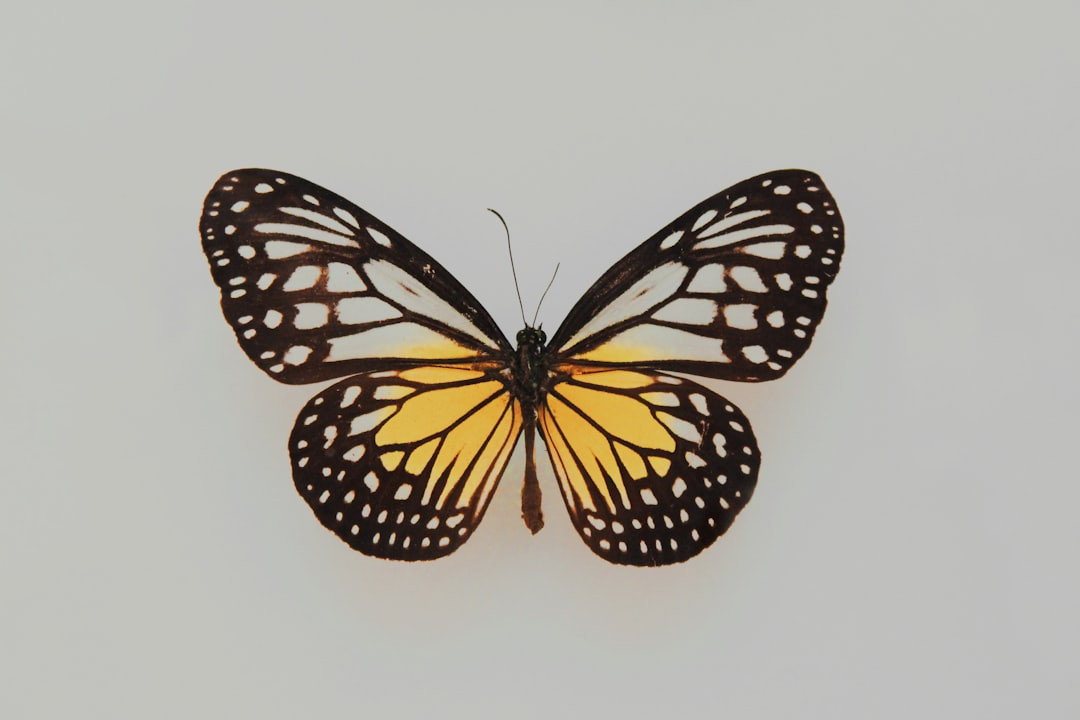
Distinguishing between a moth and a butterfly can be surprisingly straightforward. One handy tip involves comparing their caterpillars. Moth caterpillar vs butterfly caterpillar—moth caterpillars are typically fuzzy with more prominent bristles, while butterfly caterpillars often feature smoother bodies adorned with striking patterns or colors. Adults also hold clues: moths usually have feathery antennae and rest with wings spread flat, whereas butterflies boast slender antennae with tiny clubs at the ends and tend to fold their wings upright. Paying attention to these differences can transform your nature walks into fascinating discovery adventures!
How to Tell the Difference Between Moths and Butterflies
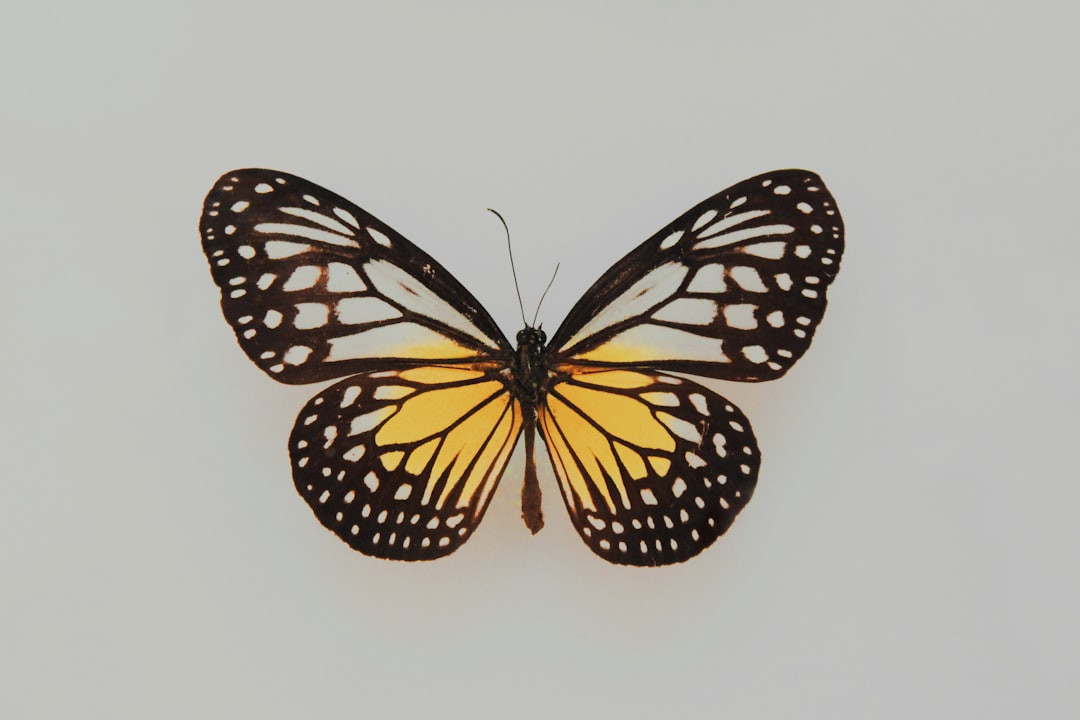
Have you ever wondered how to tell the difference between moths and butterflies? One easy tip is to look at their antennae. Butterflies usually have thin, clubbed antennae, while moths sport feathery or comb-like ones. Another clue is their activity time. Butterflies love basking in the daytime sun, whereas moths are night owls, fluttering about after dark. Additionally, butterflies often fold their wings vertically when at rest, unlike moths, who lay theirs flat. So next time you’re in the garden, use these tips to become your own insect detective and master how to tell the difference between moths and butterflies.
Moth
Ever found yourself struggling to tell a moth from a butterfly? You’re not alone! While they might seem similar at first, a few easy-to-spot differences can clear things up. Moths are typically more active at night and have feathery or comb-like antennae. Unlike butterflies, their wings are more muted in color, often matching close to the trees and plants they rest on during the day. While butterflies tend to fold their wings vertically, moths rest with their wings flat. With these simple tips, spotting a moth won’t leave you in a flutter!
Butterfly
Butterflies and moths are both fascinating creatures, and it’s easier than you think to tell them apart! First off, butterfly wings are usually vibrant and held vertically, while moths typically have duller colors and rest with their wings open. When it comes to antennae, butterflies have slender ones with clubbed tips, whereas moths flaunt feathery or saw-edged ones. Butterflies also prefer daytime activity, soaking up the sun, while moths are nighttime wanderers. Next time you spot one of these fluttering insects, you’ll know exactly how to identify whether it’s a butterfly or its nocturnal cousin, the moth!