Is There a Blue Colored Cardinal Bird? Discover the Truth and unravel the mystery that has bird enthusiasts buzzing! Are these striking creatures a figment of imagination or hidden gems in the avian world? Dive in to explore captivating tales, stunning photographs, and scientific insights that shed light on this ornithological enigma. Prepare to be fascinated and intrigued as we sift through myths and facts to reveal the mesmerizing truth behind the blue cardinal bird!
Blue Jay

Many bird enthusiasts often wonder, “Is there a blue-colored cardinal bird?” The allure of brightly colored songbirds is captivating, leading to curiosity and occasional confusion. While cardinal birds are renowned for their striking red plumage, a bird that often gets mistaken for a blue cardinal is the Blue Jay.
The Blue Jay, with its vibrant blue feathers accented by white and black markings, is a common sight across North America. Living in various habitats ranging from forests to urban parks, this bird is known not only for its striking appearance but also for its intelligence and complex social behaviors. Unlike cardinals, which typically boast a brilliant red hue, Blue Jays present a palette of blue that can enliven any backyard feeder.
It’s also important to note that the dazzling blue color of the Blue Jay isn’t due to pigmentation, but rather the structure of their feathers, which refract light to produce their vivid blue appearance. Despite this, the confusion between Blue Jays and cardinals persists. However, for those in search of a colorful backyard companion, the Blue Jay offers a similar level of visual delight, albeit in shades of blue instead of red. So, while a blue-colored cardinal bird does not exist, the Blue Jay stands out as a splendid blue avian alternative.
Blue Grosbeak
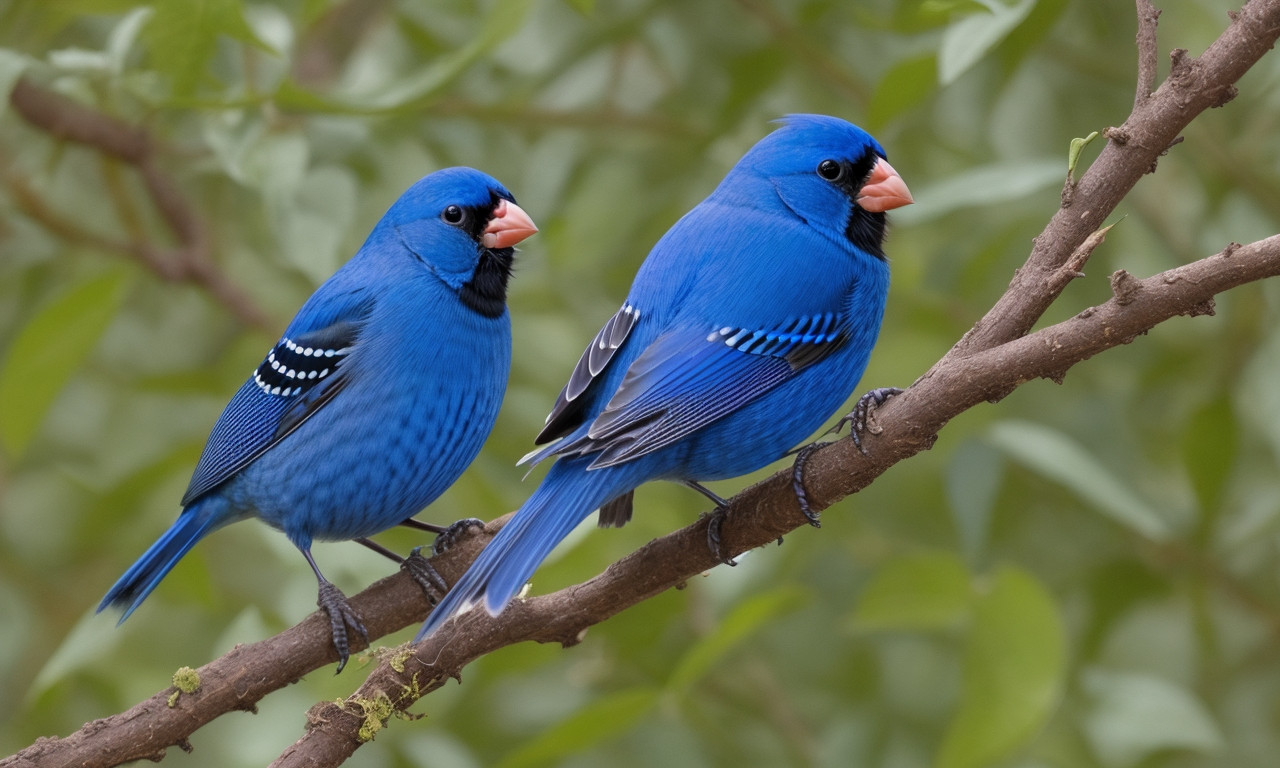
Many bird enthusiasts often wonder, “Is there a blue-colored cardinal bird?” The answer lies in a fascinating misconception involving the Blue Grosbeak. Cardinals are distinct for their vibrant red feathers, while the Blue Grosbeak features a stunning blue hue. It’s easy to confuse the two due to their similar size and body shape, but they’re distinctly different species. The Blue Grosbeak, found mostly in North and Central America, is particularly admired for its rich, deep blue color and brown wing bars that set it apart from other birds.
Unlike cardinals, which are a part of the Cardinalidae family, Blue Grosbeaks belong to the Passerina genus. Both birds share a love for similar habitats, such as open fields and woodland edges, which often leads to the confusion. However, their singing voices are a clue; the Blue Grosbeak’s song is a delightful series of rapid, warbling notes, much different from the cardinal’s melodious whistle.
In summary, while the vivid blue bird you’re envisioning isn’t a cardinal, the Blue Grosbeak stands as a captivating species worth your admiration. Its unique beauty contributes wonderfully to the tapestry of avian diversity. So next time you spot a striking blue bird, you might just be looking at the magnificent Blue Grosbeak.
Tufted Titmouse
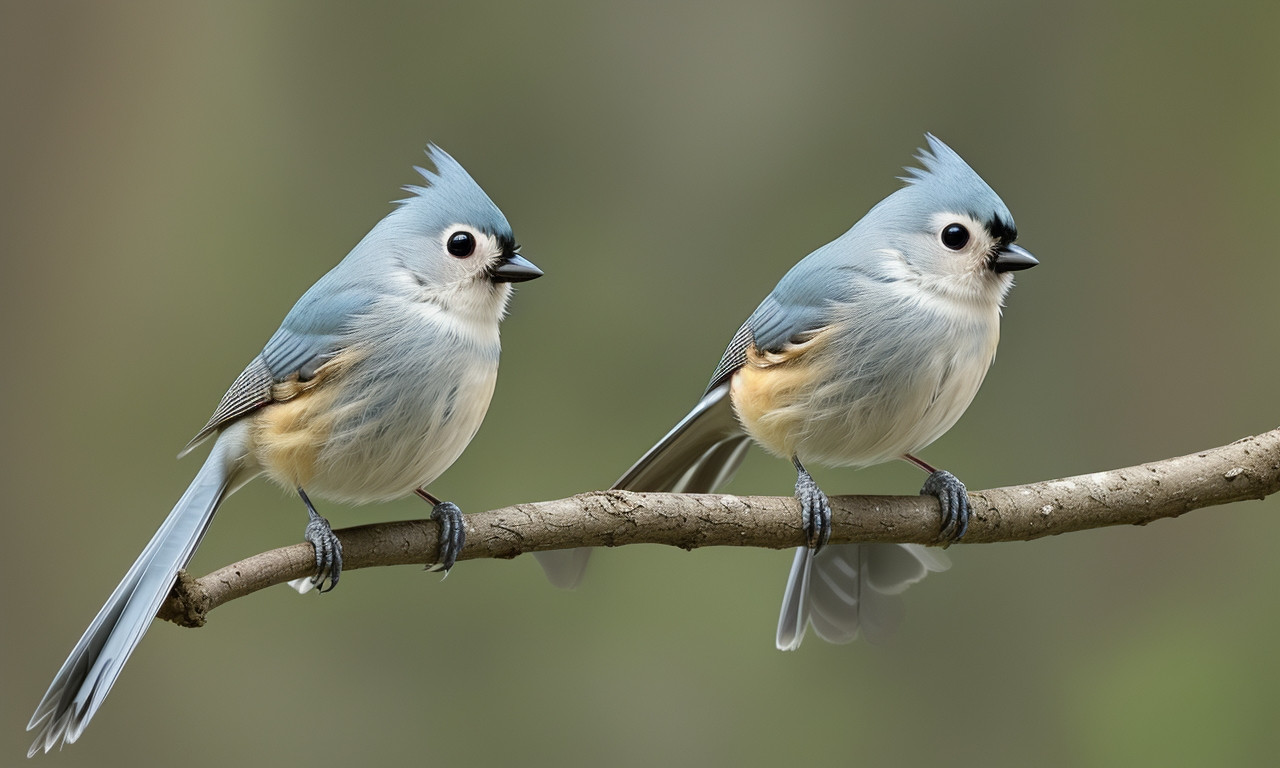
Many bird enthusiasts and casual observers alike have heard rumors about the existence of a blue-colored cardinal bird. While this idea might spark excitement and curiosity, the reality is quite different. Cardinals, known for their vivid red plumage, do not come in blue. The confusion often arises from misidentifications and comparisons with other similarly sized and shaped birds found in North American backyards.
One such bird that might contribute to this confusion is the Tufted Titmouse. This small, gray bird with a perky crest and large black eyes often shares habitats with the Northern Cardinal, making them easy subjects for mistaken identity. While the Tufted Titmouse does not exhibit blue coloration, its understated beauty and amiable nature make it a delightful sight for bird watchers.
Moreover, some might mix up the Northern Cardinal with the Blue Grosbeak or the Indigo Bunting, both blue-colored birds, further fueling the myth of a blue cardinal. Each of these species brings its unique charm to the bird-watching experience, but none fulfill the fantasy of seeing a blue cardinal. Thus, while the fascination with such a possibility is understandable, nature’s boundaries keep a clear distinction between the cardinal’s red and the Tufted Titmouse’s subtler hues.
Pyrrhuloxia
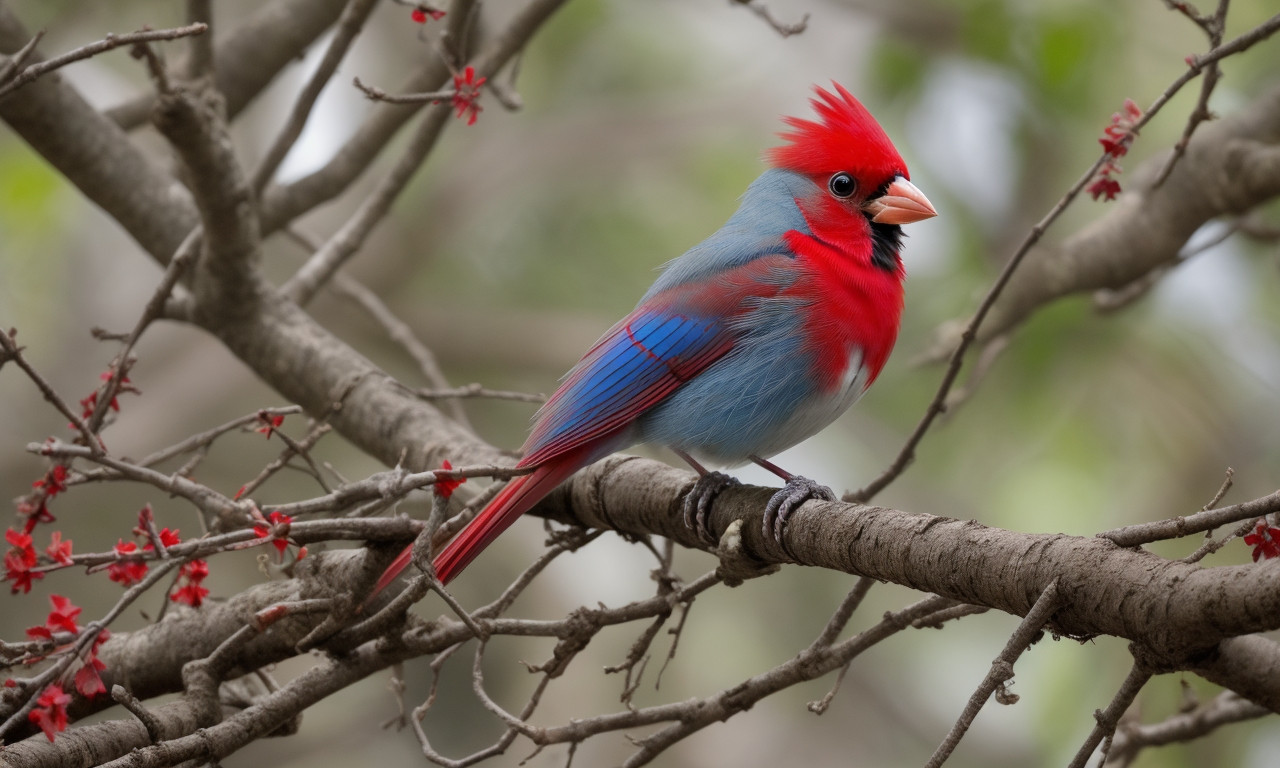
The mystery surrounding the ‘blue-colored cardinal bird’ has intrigued many bird enthusiasts and casual observers alike. Commonly, people envision cardinals as strikingly red with distinctive black facial markings, but what about a blue variant? Though the idea might sound appealing, cardinal birds themselves do not naturally occur in blue. The species most often mistaken for a blue cardinal is actually the Pyrrhuloxia.
Pyrrhuloxia, often known as the desert cardinal, shares a striking resemblance to the traditional Northern Cardinal, yet it presents a more muted color palette. While it doesn’t come in blue, this fascinating bird captivates attention with its mix of gray, red, and yellow hues. The Pyrrhuloxia inhabits desert regions, flourishing in scrubby landscapes with sparse vegetation. Its unique appearance—differentiated by a distinctive curved bill and less vibrant plumage—sets it apart from its vivid cardinal relatives.
Misidentifications often arise due to the play of light and shadows on the bird’s feathers or sometimes due to genetic anomalies or lighting conditions in photographs. In truth, the quest for a blue-colored cardinal ends at optical illusions or simple misunderstandings. However, the silver-grey charm of the Pyrrhuloxia remains an extraordinary sight for any birdwatcher who encounters it in the wild. Exploring the incredible diversity of bird species reminds us that nature’s palette extends far beyond what we imagine.