Grow Passionvine as a Host Plant for Butterflies: Easy Tips for a Thriving Garden and delight in the symphony of nature! Birds flit through your garden, butterflies dance in colorful arrays, and your greenery flourishes beautifully. Integrate this vibrant vine into your landscape and transform your outdoor space into a haven for winged wonders. Ready to boost your garden’s allure and support wildlife simultaneously? Dive in to discover the simple secrets to cultivating a garden that’s both breathtaking and beneficial. Don’t miss out on creating your own slice of paradise!
Native Passionvine Care and Growing Tips
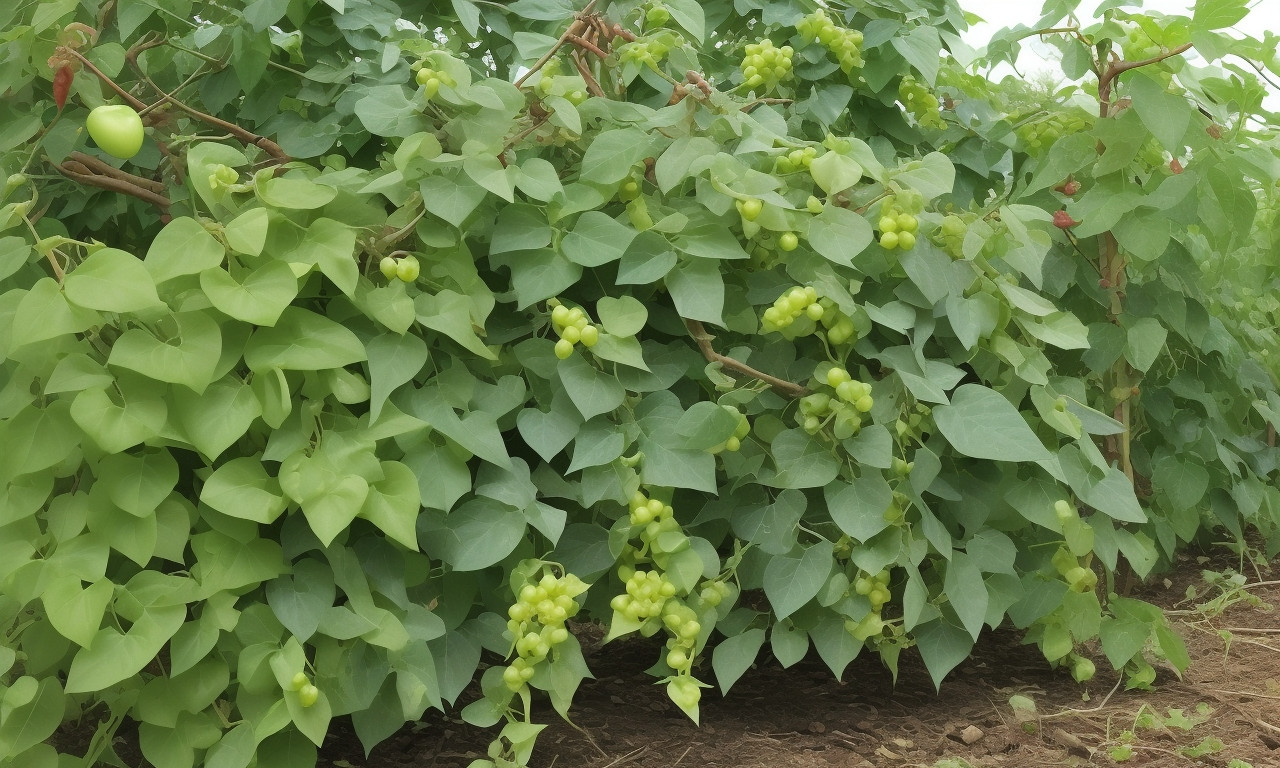
Native Passionvine care and growing tips are essential for anyone hoping to attract and support butterflies in their garden. Passionvines, particularly the native varieties, are prime host plants for several butterfly species, including the Gulf Fritillary and the Zebra Longwing. They are spectacular additions to any butterfly garden due to their vibrant blooms and lush foliage. For optimal growth, plant your Passionvine in a location that receives full sun to partial shade.
Ensure that the soil is well-draining, rich in organic material, and kept consistently moist, though not waterlogged. Mulching around the base of the plant can help retain moisture and suppress weeds. During the growing season, a balanced, organic fertilizer can be applied to support vigorous growth and flowering.
Regular pruning encourages bushier growth and can help manage the vine’s spread. Training your Passionvine to climb trellises or arbors not only adds vertical interest to your garden but also provides ample space for butterflies to lay their eggs.
Monitoring for pests is crucial, but be mindful of the native wildlife. Often, caterpillars on your plants are the very butterflies you wish to attract. By adhering to these Native Passionvine care and growing tips, you’ll create a thriving habitat that promises beauty and ecological benefits.
Non-Native Passionvine Varieties
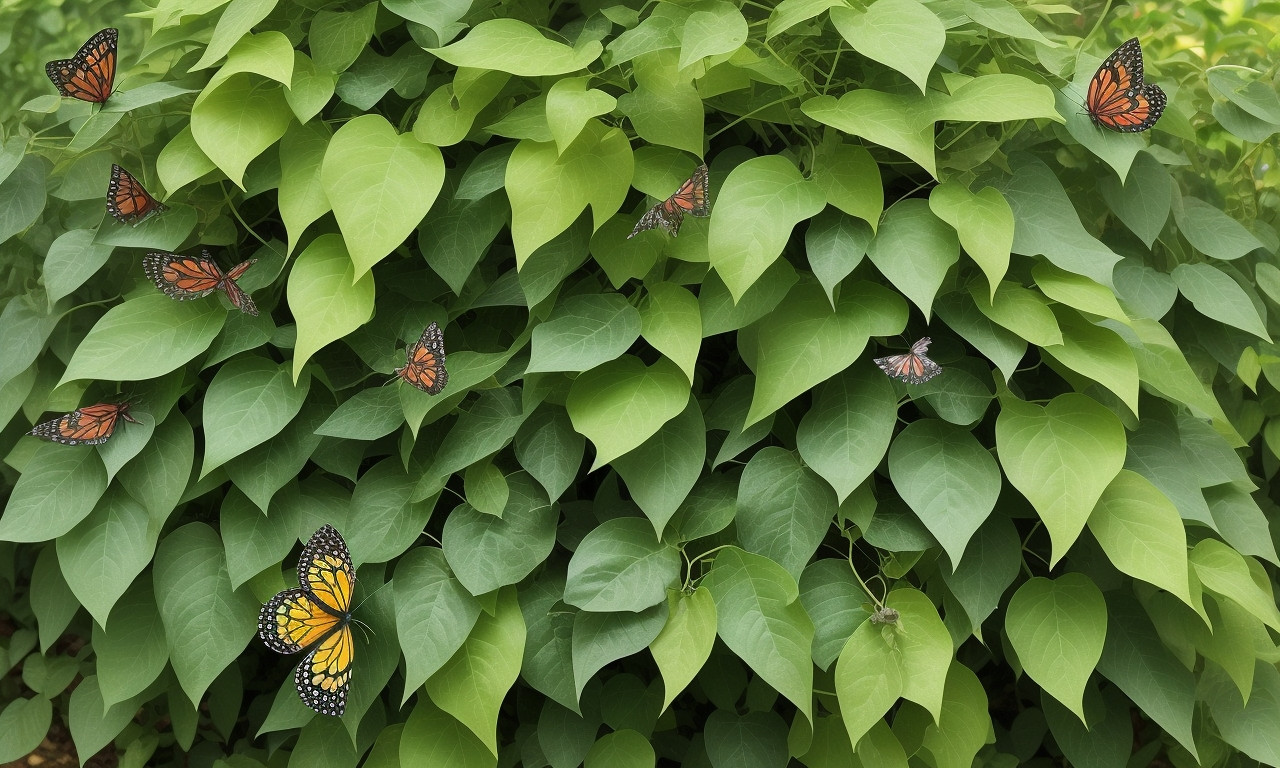
Passionvine plants are remarkable additions to your garden, particularly if you’re looking to attract butterflies, as they serve as excellent host plants. Cultivating Passionvine provides much-needed nourishment for caterpillars, ensuring a thriving butterfly population. Among the varieties available, non-native Passionvine varieties offer unique benefits and distinct aesthetics that can enrich your gardening experience.
Non-native Passionvine varieties, such as Passiflora caerulea and Passiflora edulis, are known for their vibrant flowers and vigorous growth. These species can be an exotic focal point in your garden while simultaneously supporting local butterfly species like the Gulf Fritillary and Zebra Longwing.
To grow Passionvine successfully, select a sunny location with well-draining soil. These plants are relatively low-maintenance, making them ideal for both novice and experienced gardeners. Regular watering during dry spells ensures healthy growth, but be cautious not to overwater. Non-native Passionvine varieties may require occasional pruning to manage their spread.
Incorporating Passionvine into your garden not only boosts its visual appeal but also fosters a sustainable environment for butterflies. By opting for non-native Passionvine varieties, you can enjoy a diverse and dynamic landscape while contributing to butterfly conservation. Enjoy the beauty and ecological benefits these extraordinary plants bring to your outdoor space.
Grow Passionvine as a Host Plant
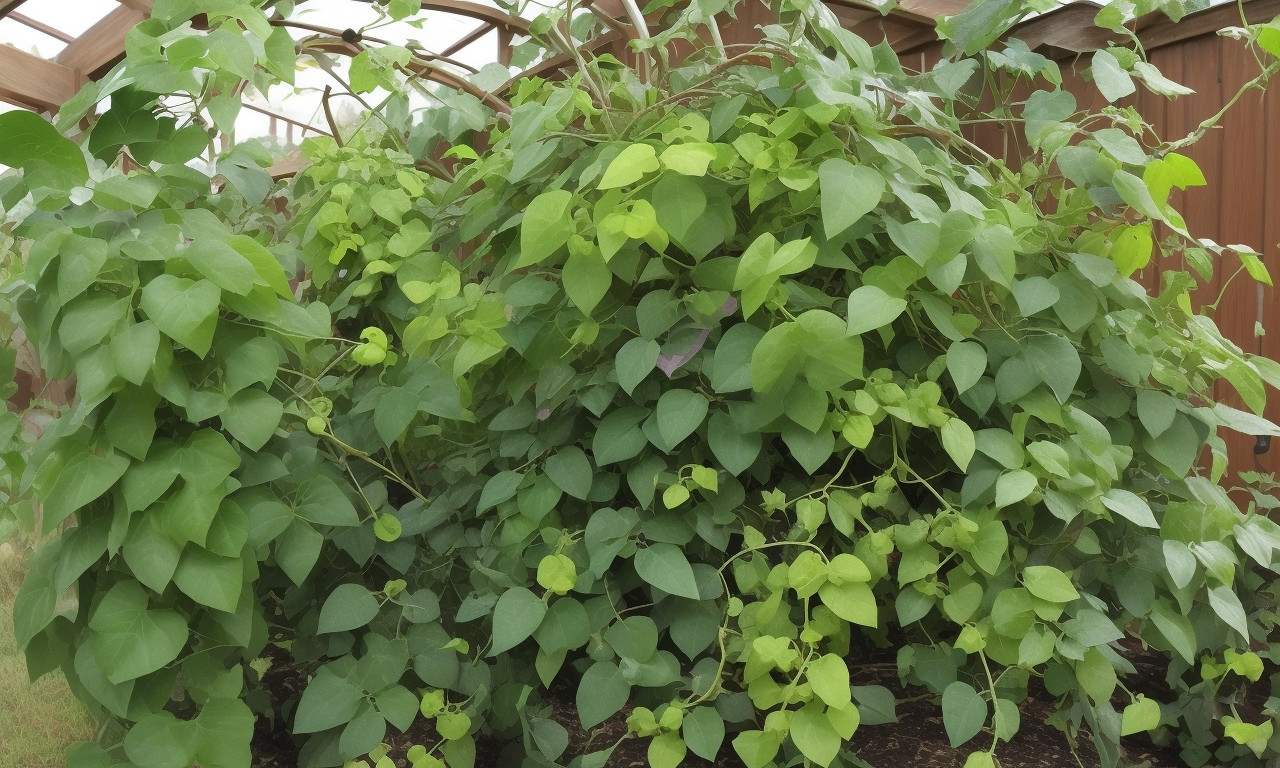
Growing Passionvine as a host plant for butterflies adds beauty and ecological value to your garden. These lovely vines, known for their striking flowers and lush foliage, serve as essential host plants for several butterfly species, particularly the Gulf Fritillary and Zebra Longwing. To grow Passionvine as a host plant, start by selecting a sunny spot with well-draining soil, as these vigorous climbers love warmth and thrive best in such conditions.
For optimal growth, water Passionvine regularly during its initial stages to establish strong roots. Once established, it requires minimal watering, making it an excellent low-maintenance addition to your garden. Supporting structures like trellises or fences can guide the vines, ensuring they spread out beautifully and offer ample space for butterflies to lay their eggs and caterpillars to feed.
Additionally, avoid using pesticides, as they can harm the butterflies you’re aiming to attract. Instead, rely on natural predators and plant companions to manage pests. By growing Passionvine as a host plant, you’ll create a sanctuary for butterflies, observing their life cycles up close while enhancing the biodiversity of your garden. This environmentally-friendly practice not only nurtures local wildlife but also graces your outdoor space with Passionvine’s enchanting blooms.